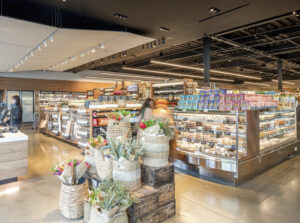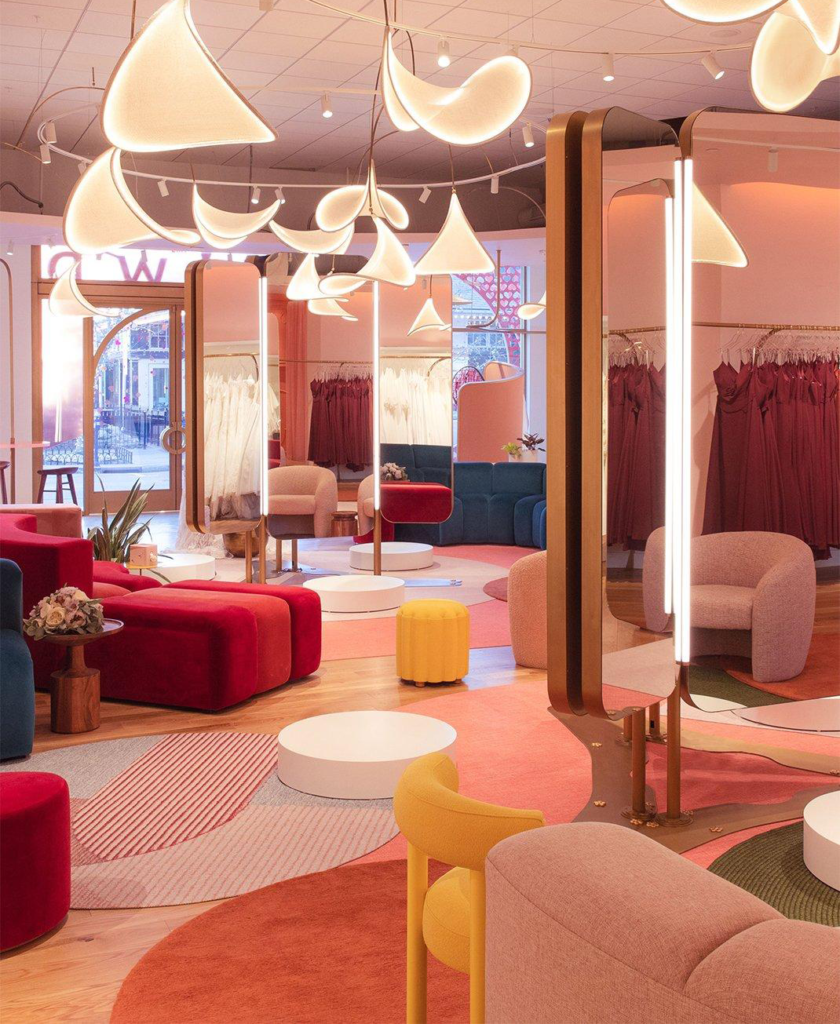
Lighting Designers and Architects are rethinking lighting in 2026. Lighting in 2026 will focus on intelligent tech, clean aesthetics, and the well-being of people and the planet.
Whether in a chic retail boutique, a buzzing hotel lounge, a modern office, or a museum gallery, lighting is evolving from a mere utility into a key element of storytelling and experience.
Below, we break down the major trends – from smart IoT systems and minimalist fixtures to wellness-centric design and immersive lighting that tells a story.
Minimalist Meets Bold: Aesthetic Lighting Trends
In terms of style, 2026 lighting design is a study in contrasts – blending ultra-minimalist integration with eye-catching artistic statements.
Invisible Architectural Integration
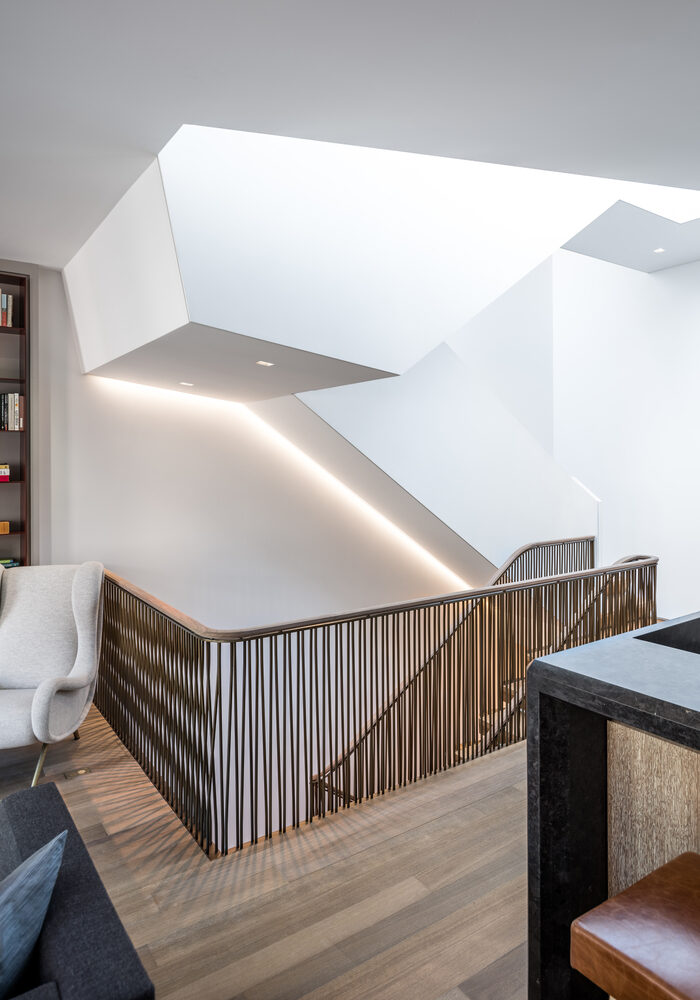
The mantra “less is more” guides many new designs. Fixtures are slimmer, more discreet, or completely hidden, giving spaces a clean, uncluttered look. Think recessed LEDs lining a ceiling coffer or handrail, where you see the light but not the fixture. This illusion can be created with recessed track lighting, minimal spot lighting (like our Micro-Canopy) and custom colored fixtures.
These “invisible” lights make it seem like the architecture itself is glowing. Seamlessly integrated lighting preserves minimalist aesthetics and allows other design elements to shine. In commercial offices especially, architects are making lighting a “silent partner” in the design – essential but unobtrusive.
Statement Lighting as Art
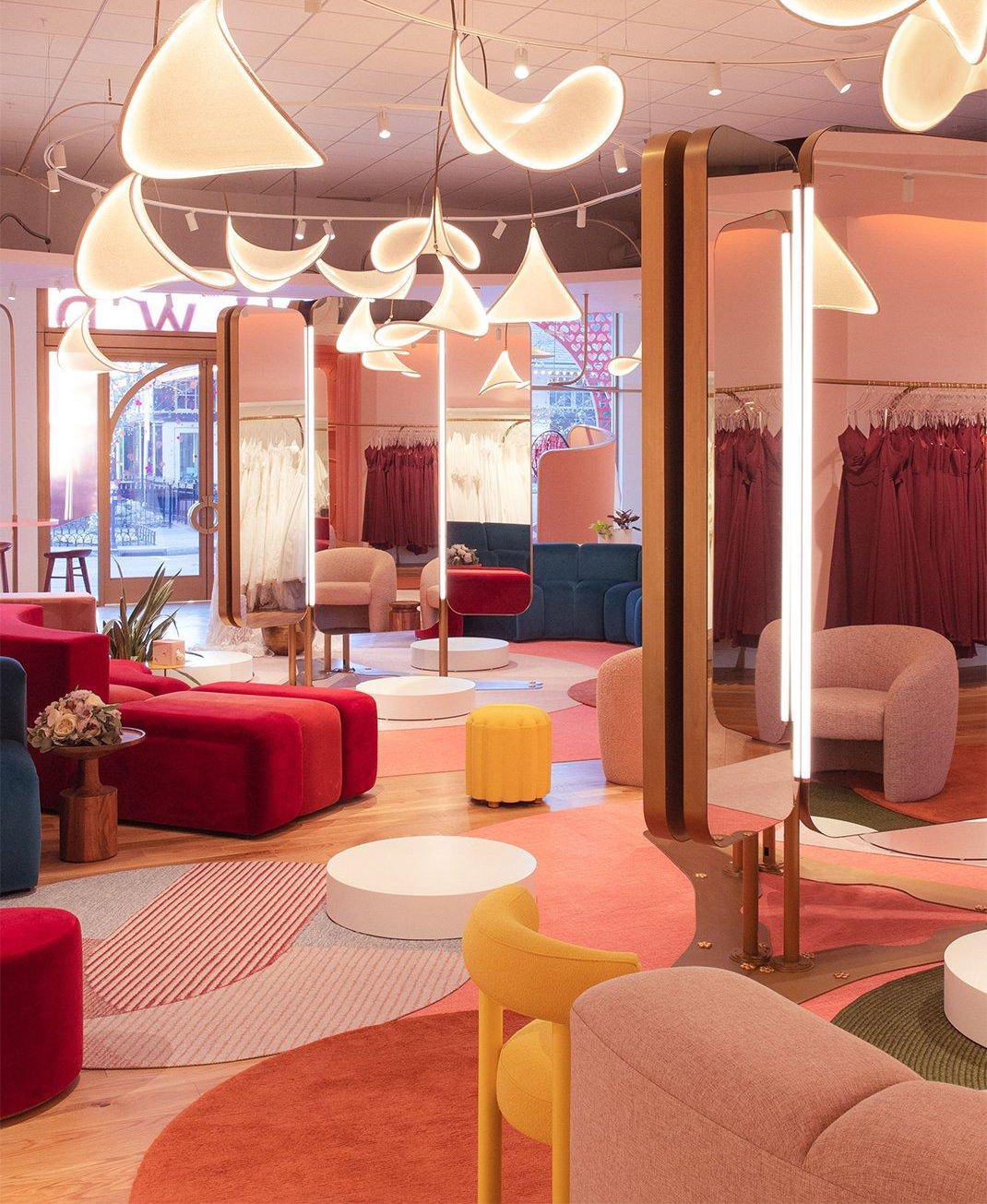
On the flip side, 2026 is also embracing lighting fixtures as bold decor. In restaurants, hotels, and upscale retail, designers are installing sculptural pendants and dramatic chandeliers that double as artwork. Lighting is used as “jewelry for the room”, creating memorable focal points. From whimsical custom pendants in a boutique hotel lobby to clusters of hand-blown glass lamps in a trendy café, these statement pieces bring character and visual intrigue.
The key is balance – often a minimalist backdrop (neutral colors, simple forms) highlights one striking fixture as the star.
Experimentation with Color Temperature
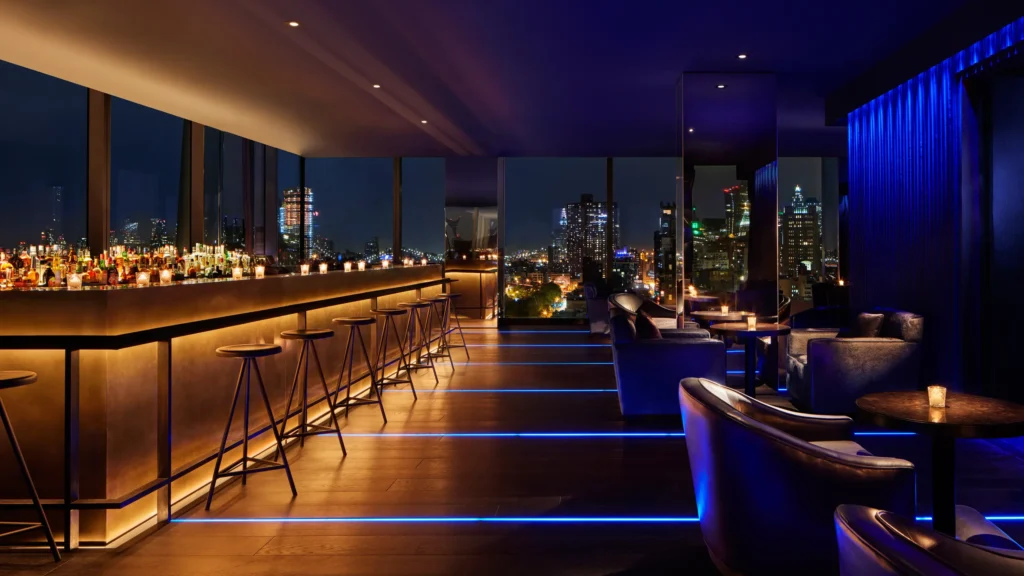
Designers are increasingly playing with color temperature and hue to influence atmosphere.
Workspaces remain mostly on the neutral-white spectrum, but even there, a mix of warm and cool lighting in different zones can delineate collaborative vs. focus areas.
Crucially, any color experimentation is done with purpose: warmer tones invite relaxation and comfort, while cooler, brighter light promotes alertness and precision.
The trend is about using the right color of light in the right place and time to support the desired mood or function.
Adaptive and Functional Lighting Design
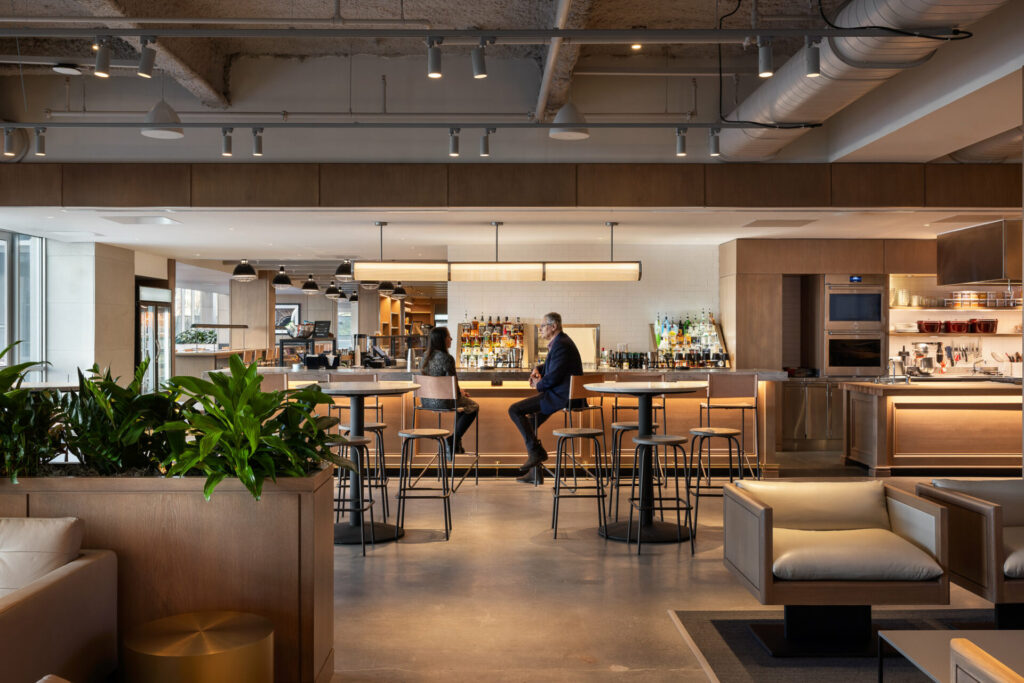
Across retail, hospitality, offices, and museums alike, there’s a push for lighting that is highly flexible and user-centric – able to adapt to different activities and requirements on the fly.
Flexible, User-Centric Illumination
Gone are the days of one-size-fits-all lighting. Modern design calls for adaptable lighting zones and personal control.
In offices, for example, different areas get tailored light levels – bright task lighting in work zones, softer ambient light in breakout areas – often with the ability for individuals to fine-tune their own space.
Many workplaces and hotels now allow adjustments via app or voice (“dim my area” or “warmer light please”), reflecting an expectation for personalized comfort. This user-centric approach even extends to inclusivity: adjustable lighting helps accommodate those with visual sensitivities or special needs, ensuring everyone can find a comfortable setting.
Adaptive Environments and Scene Setting
Lighting is increasingly used to make spaces multi-functional. A boutique might have daylight-bright settings for cleaning or restocking, then smoothly transition to a cozy evening ambiance for shoppers with the tap of a preset. Hotels employ scene controls that shift a ballroom from conference mode (crisp, uniform lighting) to gala dinner mode (dramatic spotlighting on tables and art).
Such scene-based lighting leverages dimmable LEDs, color tuning, and programmed controls to instantly transform the atmosphere as needed. It’s all about agility – making one place serve many purposes with lighting that can change in an instant.
Museum Lighting for Conservation and Experience
Nowhere is functional lighting more critical than in museums. Galleries require a deft balance: illumination must make artwork visible and engaging without harming delicate pieces. Thus, 2026 museum lighting trends focus on precision and protection.
LEDs have become the go-to solution because they emit minimal UV and heat, safeguarding sensitive textiles and paintings. Tunable LED spotlights can be calibrated to the exact brightness and color temperature that best reveals an artifact’s details while meeting strict conservation standards.
Importantly, these systems are highly flexible – curators can dial lights up or down and even adjust beam shapes to suit each new exhibit layout. This level of adaptability ensures that whether it’s a Renaissance painting or a digital installation, each exhibit is lit optimally for both viewer enjoyment and long-term preservation.
Human-Centric and Sustainable Priorities
A major driver behind 2026’s lighting design choices is an emphasis on human well-being and environmental responsibility. Designers are asking: how can lighting make people feel and perform better, and how can we do that in a greener way?
Wellness and Circadian Lighting
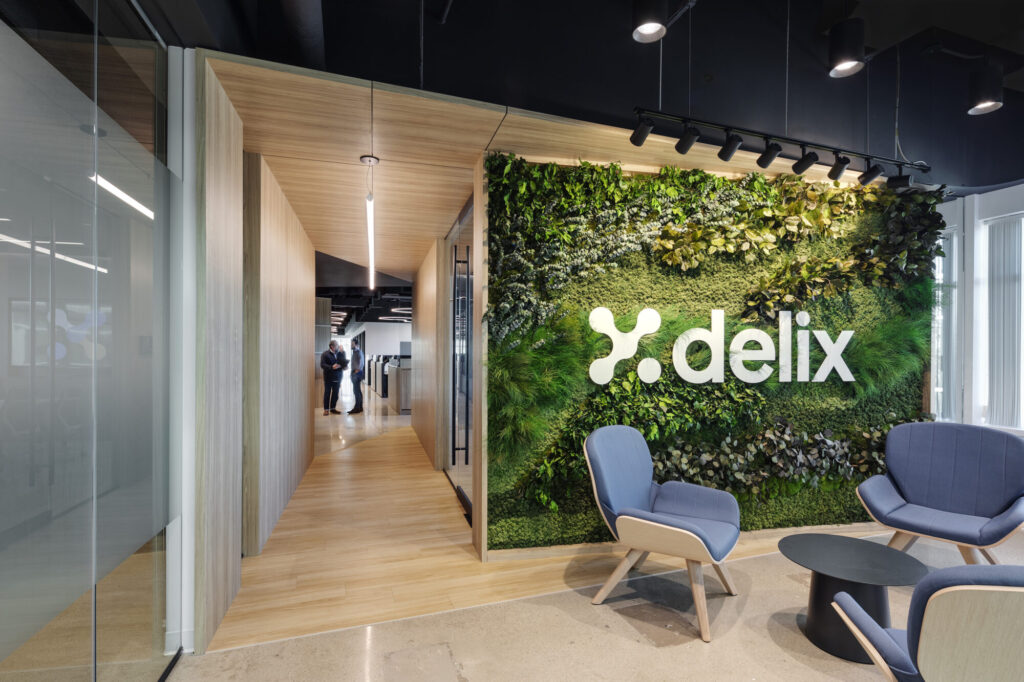
The buzzword is “human-centric lighting,” and it’s being taken seriously in offices, hotels, and even hospitals. Research has proven that lighting profoundly affects our comfort, mood, and health. In response, more projects are including circadian lighting systems – lights that mimic the natural progression of daylight to support our internal clocks.
For instance, an office might start the day with bright, cool light to invigorate employees, then gradually introduce warmer, softer tones by late afternoon to ease the transition toward evening. Proper lighting design can reduce eye strain and headaches and improve sleep cycles for users.
In the hospitality sector, some hotels are offering circadian room lighting options to help travelers adjust across time zones. All of this signals a shift: lighting isn’t just about seeing – it’s about feeling right in a space.
Inclusive Lighting Design
Hand-in-hand with wellness is a push for inclusive lighting – solutions that work for diverse ages and abilities. This means paying attention to glare, which might barely bother a 25-year-old but could be disabling for an older person with cataracts. It also means offering adjustable controls for those with autism or sensory sensitivities who might prefer dimmer environments.
Designers are specifying fixtures with high color rendering and balanced light distribution to aid visibility for all. As noted earlier, adjustable and personalizable systems are becoming standard, effectively “democratizing” lighting control so each user can create a comfortable environment.
The underlying principle is empathy: great lighting design in 2026 strives to be welcoming and usable by everyone who enters the space.
Energy Efficiency and Green Design
On the environmental front, lighting continues to become more eco-friendly. The dominance of LED technology dramatically slashes energy consumption, helping organizations hit energy-saving and carbon reduction goals. Many commercial and public buildings are racing toward net-zero or low-carbon operation, and efficient lighting is an easy win on that front.
Moreover, advanced control systems ensure that lights aren’t burning when nobody’s home. Beyond operations, there’s also attention on sustainable materials and lifecycle in lighting fixtures. Sustainable Lighting Manufacturers in 2026 are introducing more minimalist designs that not only look sleek but often use fewer materials and components, contributing to a lower environmental footprint.
Overall, sustainability is no longer an afterthought – it’s built into the lighting plan from the start, aligning with broader climate and environmental commitments.
Immersive, Storytelling Lighting Experiences
Perhaps the most exciting trend is how lighting is being used to craft immersive experiences and tell stories in spaces, especially in retail, hospitality, and museums:
Experiential Retail and Hospitality
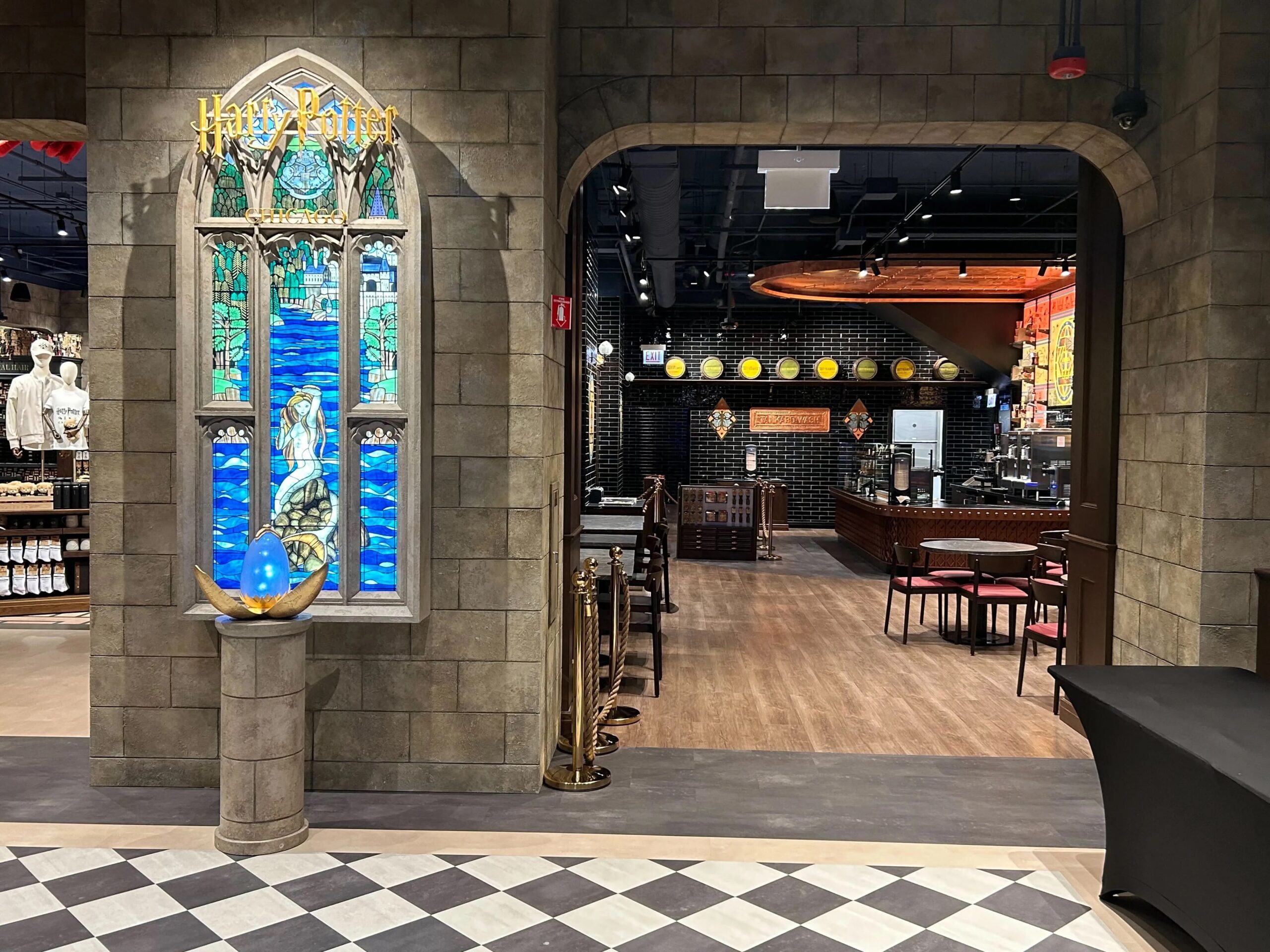
Stores and venues are realizing that great lighting can do more than flatter merchandise – it can create an emotional journey.
In high-end retail, for example, subtle shifts in lighting might guide a customer through different “chapters” of a boutique, from a bright, energetic entrance to a calm, luxurious fitting area.
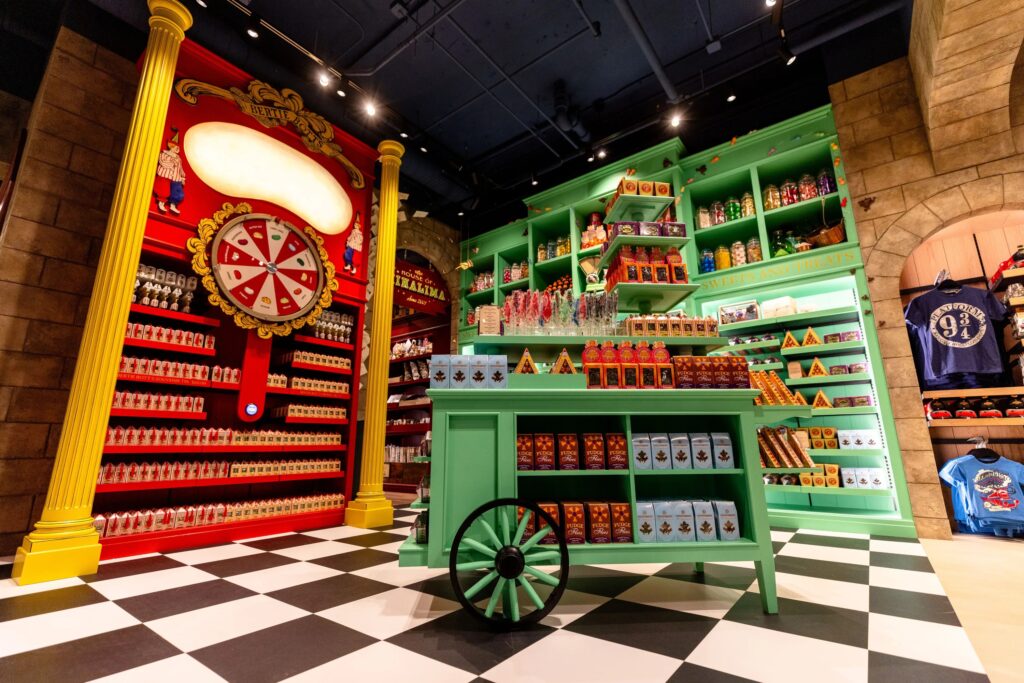
Hotels and restaurants, too, use lighting to build a narrative: a themed restaurant might adjust lights throughout an evening to follow the mood of a multi-course meal, or a hotel bar might have lighting scenes that change with the time of night, subtly encouraging guests to unwind as hours get later.
The goal is immersive ambiance – lighting that supports music, decor, and storytelling to make an experience memorable. As one industry analysis noted, designers are turning venues into “sensory playgrounds” where light responds to people’s movement and actions, ensuring no two visits feel exactly the same.
Museums and Themed Environments
Museums have long used lighting for drama, but now they are pushing creative boundaries with interactive and story-driven illumination. Exhibition lighting is considered part of the curatorial narrative – it helps tell the story of the exhibit.
In 2026, expect more use of programmable LEDs in galleries that can change scenes for different showings or even respond to visitor behavior. For example, an experiential science museum might have floors or walls that light up as visitors approach, or an art exhibit might shift color temperature to evoke different moods in each section.
This kind of responsive, story-enhancing lighting is also popping up in theme parks, immersive art installations, and branded experience centers. By combining light with audio, visuals, and interactivity, designers transport visitors to new worlds – all through the power of carefully orchestrated illumination.
In summary, lighting design in 2026 is brighter (in ideas) than ever. We see a convergence of cutting-edge tech with artistic and human-focused design: lights that can think and adapt in real-time, aesthetics that either disappear into the architecture or make bold statements, and a deep understanding that the right light can profoundly impact how we feel in a space. From the corner store to the corporate HQ, the boutique hotel to the history museum, these trends are making lighting more interactive, efficient, and attuned to our stories and needs than we’ve ever seen before. The future is bright – and it’s being intelligently and beautifully lit.